In the quest for genuine sustainability, the industry has moved past bulky, bolted-on solar panels. Today, the most innovative architectural firms, like J Logan Architects, are embracing Building Integrated Photovoltaics (BIPV)—a revolutionary technology that doesn’t just sit on your building, but becomes your building.
BIPV is transforming renewable energy from a visible add-on into an essential, aesthetic component of the structure itself.
What Exactly is BIPV?
BIPV refers to photovoltaic materials that are used to replace conventional building materials in parts of the building envelope, such as the roof, skylights, or facades. Unlike traditional PV systems, BIPV serves a dual function:
- Energy Generation: Converting solar energy into electricity.
- Architectural Function: Acting as the primary weatherproofing, thermal insulation, and structural element of the building envelope.
The key difference is integration. BIPV is designed into the building from the first sketch, ensuring performance and beauty are perfectly aligned.
The Aesthetic Advantage: Design Without Compromise
For architects and property owners concerned with modern design, BIPV offers compelling advantages over traditional blue-black rectangles:
- Seamless Rooftops: BIPV roof shingles and tiles blend invisibly with traditional materials, often mimicking slate or terracotta while generating power.
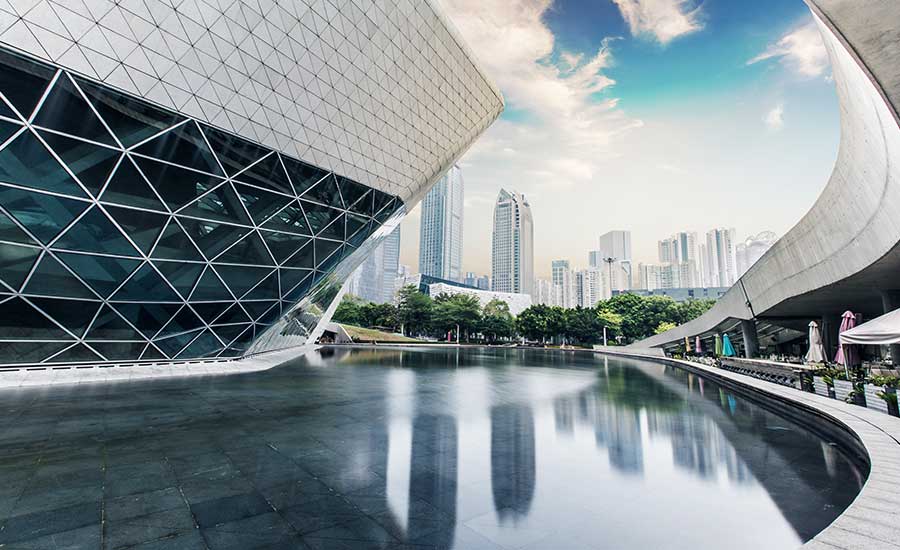
- Active Facades: We can incorporate opaque or semi-transparent solar glass into curtain walls, turning sun-facing glass into an active power source without sacrificing daylighting.
- Customization: BIPV comes in various colors, shapes, and textures, allowing architects full creative freedom. The solar component enhances the design, rather than disrupting it.
The Performance Advantage: Efficiency from Day One
Integrating solar directly into the structure offers significant benefits beyond looks:
| Benefit | Description |
|---|---|
| Material Efficiency | By replacing roofing or facade materials, BIPV avoids the cost and material waste of installing two layers (roof + rack system). |
| Thermal Efficiency | BIPV surfaces can double as thermal insulators, reducing heat gain in summer and loss in winter, lowering HVAC costs. |
| Enhanced Durability | These systems are engineered to meet strict building codes (wind load, fire resistance) as primary structural elements, often offering superior longevity. |
| Increased Property Value | Buildings that are aesthetically pleasing, energy self-sufficient, and possess high-level sustainable certifications consistently command higher valuations. |
Why J Logan Architects Leads the Way in BIPV
At J Logan Architects, we view BIPV not as an electrical project, but as an architectural one. Our integrated process ensures our Solar Engineers and Architects collaborate from Phase I (Discovery & Concept) to design BIPV systems that maximize energy yield based on site orientation while serving as striking, functional elements of the final design.
Ready to build a high-performance structure that harnesses the sun without compromising style? Explore how seamless solar integration can define your next project.